Home Blog Page 157

How to Evaluate the Impact that Organisations Have Made on the Community

How to Evaluate the Impact that Organisations Have Made on the Community Evaluating the impact that organizations have on the community is a complex but essential endeavor in today’s socially conscious landscape. By defining clear objectives, identifying key performance indicators, engaging stakeholders, utilizing multiple evaluation methods, considering long-term sustainability, and communicating findings transparently, organizations can gain valuable insights into their contributions to the community and drive meaningful change for the betterment of society.

How to Evaluate the Impact that Organizations Have Made on the Community

Assessing the impact that organizations have on South African communities is a multifaceted task. It involves engaging stakeholders, considering various dimensions of impact (social, economic, environmental, and cultural), utilizing both quantitative and qualitative metrics, and assessing both short-term and long-term effects. Transparency, adaptability, and a commitment to continuous improvement are key. However, the true measure of impact lies in the human stories of lives transformed and opportunities created within our diverse South African communities.

1. What is Impact Assessment, and Why Does it Matter?

Before we delve into the intricacies of evaluating an organization’s impact, let’s consider why this endeavor is of utmost importance. Imagine a world where organizations operated without any scrutiny or accountability. Would they genuinely work towards uplifting communities and fostering positive change, or would their motivations remain shrouded in ambiguity? The answer to these questions underscores the significance of impact assessment.

2. Identifying the Parameters of Impact Assessment

Assessing the impact of organizations requires the establishment of clear parameters. South African communities are diverse and multifaceted, making it essential to consider various dimensions of impact, such as social, economic, environmental, and cultural aspects.

3. Stakeholder Engagement and Collaboration

To assess an organization’s impact effectively, it is vital to engage with stakeholders, including community members, beneficiaries, employees, and local authorities. Their perspectives provide valuable insights into the organization’s influence and how it has affected the community.

4. Quantitative and Qualitative Metrics

Quantitative data, such as economic indicators, can provide a numerical representation of an organization’s impact. This may include job creation, income generation, and tax contributions. However, qualitative data, such as personal stories and testimonials, often convey the human dimension of impact more vividly. Both quantitative and qualitative metrics should be utilized for a comprehensive assessment.

5. Long-term vs. Short-term Impact

Assessing the impact of organizations should not be limited to short-term gains. Sustainable change often takes time to manifest. Therefore, it is imperative to evaluate both short-term and long-term effects. For example, a project that initially provides employment opportunities may also contribute to skill development and entrepreneurship over time.

6. Social and Environmental Responsibility

In South Africa, where environmental sustainability is increasingly critical, organizations must be evaluated on their environmental practices. Are they reducing their carbon footprint, conserving natural resources, or promoting eco-friendly initiatives? These factors play a pivotal role in assessing an organization’s impact on the community.

7. Adaptability and Responsiveness

Communities are dynamic entities, constantly evolving and facing new challenges. An organization’s ability to adapt to changing circumstances and respond to emerging community needs is a significant aspect of its impact. Flexible organizations that can pivot their strategies to address pressing issues demonstrate a higher level of commitment to community well-being.

8. Transparent Reporting and Accountability

Transparent reporting is a cornerstone of effective impact assessment. Organizations should openly share their data and findings with stakeholders and the public. Additionally, they must be held accountable for their commitments and promises to the community.

9. Continuous Improvement

The process of evaluating an organization’s impact should not be static. It should evolve over time, incorporating new learnings and insights. Organizations should use the results of impact assessments to refine their strategies and maximize their positive influence on communities.

10. The Human Element

In the end, what truly defines the impact of an organization on a community is the human element. It’s the stories of lives transformed, dreams realized, and opportunities created. As we strive to evaluate impact, let us never lose sight of the human stories behind the numbers.

Using Telkom as an Example

Let’s use Telkom, a South African telecommunications company, as a case study to illustrate the points about evaluating the impact an organization has on the community.

1. What is Impact Assessment, and Why Does it Matter?

Telkom’s reach extends far beyond just providing telecom services; its infrastructure and programs have the potential to impact many aspects of life in South Africa. Assessing this impact ensures accountability and guides improvements.

2. Identifying the Parameters of Impact Assessment

For Telkom, social impact might include improving access to internet services across underprivileged areas. Economic impact might entail job creation within the company and its supply chain. Environmental impact could involve assessing their carbon footprint and waste management.

3. Stakeholder Engagement and Collaboration

Engagement with local communities, employees, and regulators can offer valuable insights into Telkom’s real-world impact. For instance, focus groups with community members could reveal whether Telkom’s services are meeting local needs effectively.

4. Quantitative and Qualitative Metrics

Quantitatively, Telkom might report on the number of new jobs created or amount of internet coverage expanded. Qualitatively, stories from individuals who gained employment or accessed educational resources due to Telkom’s services could be shared.

DON’T MISS: How to Pass Business Studies Grade 12 NSC With Distinction

5. Long-term vs. Short-term Impact

While immediate metrics like new service subscriptions are important, long-term impacts such as the development of ICT skills among youth or the promotion of local entrepreneurship through better connectivity should also be considered.

6. Social and Environmental Responsibility

In South Africa, Telkom could be evaluated based on its efforts to reduce its carbon footprint or to dispose of electronic waste responsibly.

7. Adaptability and Responsiveness

How well does Telkom adapt to changes in technology or community needs? For instance, did they efficiently shift to provide better services during periods of high demand, like the COVID-19 pandemic when more people worked from home?

8. Transparent Reporting and Accountability

Telkom should provide regular, transparent reports that detail its community impact, from job creation statistics to sustainability goals, ensuring they meet the benchmarks they set for themselves.

9. Continuous Improvement

Telkom’s strategies should evolve based on the assessments of their impact. If certain initiatives are not achieving desired outcomes, shifts in strategy should be considered.

10. The Human Element

At the end of the day, the true measure of Telkom’s impact lies in the personal stories from the community—whether it’s a small business owner who can now run an online store thanks to better internet access, or a student who was able to finish her studies because of Telkom’s educational programs.

By approaching impact assessment in this comprehensive manner, Telkom and other organizations can better understand their role and efficacy in supporting and enriching the communities they serve.

In conclusion, the assessment of an organization’s impact on a South African community is a multifaceted endeavor that requires a comprehensive approach. It involves engaging with stakeholders, utilizing quantitative and qualitative metrics, and considering both short-term and long-term effects. Transparent reporting, adaptability, and a commitment to continuous improvement are crucial components of this process. Ultimately, the true measure of an organization’s impact lies in the lives it touches and the positive changes it brings to our vibrant and diverse South African communities.

2018 Business Studies Grade 12 November question papers and memos download

2018 Business Studies Grade 12 November question papers and memos download For Grade 12 students, the November examination papers are not just assessments; they represent a culmination of years of hard work, dedication, and preparation. Among the subjects that hold significant importance in the academic landscape is Business Studies, a discipline that provides invaluable insights into the world of commerce, entrepreneurship, and management. In 2018, the Grade 12 Business Studies November question papers and memos offered a platform for students to demonstrate their understanding and application of key concepts.

List of 2018 Business Studies Grade 12 November question papers and memos download

Geography Mind the Gap study guide: Grade 12 pdf Download

Geography Mind the Gap study guide: Grade 12 pdf Download The “Mind the Gap” series is designed to bridge the gap between what students have learned in the classroom and what is expected of them in the examination hall. The Grade 12 Geography edition of this study guide is no exception. It serves as a comprehensive resource that consolidates the essential content, provides valuable insights into exam techniques, and offers practice opportunities to reinforce learning.

Geography Mind the Gap study guide: Grade 12 pdf Download

Content Breakdown:

  1. Thorough Content Coverage: The Geography Mind the Gap study guide meticulously covers the entire Grade 12 syllabus. From geomorphology and climatology to development and urbanization, each chapter is thoughtfully structured to ensure a holistic understanding of the subject matter.
  2. Clear and Concise Explanations: One of the standout features of this study guide is its ability to simplify complex concepts. The authors have a knack for breaking down intricate geographical theories into digestible nuggets of information, making it easier for students to grasp and retain.

DON’T MISS: How to Pass Geography Grade 12 NSC With Distinction

  1. Exam Tips and Techniques: Success in Geography exams not only relies on content knowledge but also on effective exam strategies. The study guide offers valuable tips on time management, question analysis, and structuring responses. These insights are crucial in helping students approach exams with confidence and precision.
  2. Practice Questions and Answers: The inclusion of practice questions and model answers is a game-changer for students. By working through these exercises, students can gauge their understanding, identify weak areas, and reinforce their knowledge. The guide also offers guidance on how to approach different question types, enhancing exam preparedness.
  3. Interactive Elements: Recognizing the importance of engagement, the study guide incorporates interactive elements such as diagrams, maps, and case studies. These features not only make the learning experience more enjoyable but also aid visual learners in grasping geographical concepts.

Geography Study Guide Download Link

Conclusion:

In the demanding landscape of Grade 12, having a reliable study guide can make all the difference. The Geography Mind the Gap study guide emerges as a beacon of support for students navigating the challenges of this subject. Its comprehensive content coverage, clear explanations, exam insights, and interactive elements collectively contribute to a well-rounded preparation strategy. As students delve into this resource, they embark on a journey towards not just passing their Geography exams but truly mastering the subject. So, let the Geography Mind the Gap study guide be your compass as you navigate the fascinating world of Grade 12 Geography. Success awaits those who mind the gap!

Geography Grade 12 ATP: Annual Teaching Plan and Teacher’s Guide 2024

Geography Grade 12 ATP: Annual Teaching Plan and Teacher’s Guide 2024 Here you will be able to Download Geography Grade 12 ATP: Annual Teaching Plan and Teacher’s Guide 2024.

Geography Grade 12 Annual Teaching Plan Geography Grade 12 2024

The Annual Teaching Plan is for Geography Grade 12 and contains a full-year annual teaching plan for Term 1, Term 2, Term 3, and Term 4.

Term 1 ATP

For the January to March period, the Term 1 ATP is designed in strict adherence to the Department of Higher Education’s curriculum. This foundational phase is essential for establishing the basic principles and topics that will be further developed throughout the year.

Key Features:

  • Alignment with Standards: The Term 1 plan is explicitly aligned with the educational benchmarks defined by the Department of Higher Education.
  • Time-Efficient Structure: A well-paced three-month outline ensures a balanced approach between theory and practice.
  • Comprehensive Subject Matter: A broad spectrum of topics provides a well-rounded educational experience for the initial term.

Term 2 ATP

Occupying the April to June quarter, the Term 2 ATP picks up from where Term 1 concluded, bringing in more complexity and depth to the curriculum.

Key Features:

  • Advanced Learning: The focus shifts to more intricate subjects, aiming to build upon the foundational knowledge laid down in the first term.
  • Assessment Integration: The plan incorporates assessments at regular intervals to evaluate student performance.
  • Teamwork Enhancement: Emphasis on group projects and collaborative learning nurtures teamwork and interpersonal skills.

Term 3 ATP

Stretching from July to September, the Term 3 ATP emphasises real-world applications of acquired knowledge and skills, all while maintaining alignment with the Department of Higher Education guidelines.

Key Features:

  • Application-Focused: This term is devoted to the practical application of theoretical knowledge.
  • Interdisciplinary Approach: The curriculum integrates multiple subjects to provide a multifaceted learning experience.
  • Self-Assessment: Students are encouraged to reflect on their progress, setting the stage for self-directed learning.

Term 4 ATP

The final term, covering October to December, gears up for year-end assessments and provides a recapitulation of the year’s curriculum, as mandated by the Department of Higher Education.

Key Features:

  • Review and Recap: An extensive review period helps consolidate the year’s learning objectives.
  • Exam Preparation: Special modules are designed for intensive preparation for year-end evaluations.
  • Learning Consolidation: The final term seeks to tie together all educational threads, rounding off the year’s academic journey.

Teacher’s Guide

The Teacher’s Guide is for Geography Grade 12 and contains a full-year assessment guide as well as SBA, Project Tasks or Practical Assessment Tasks for Term 1, Term 2, Term 3, and Term 4. The guide is useful in terms of what Geography Grade 12 topics are important as well as how to assess learners under the same topics. Geography Grade 12 teacher guide below will aid you as a teacher in order to prepare students for the mid-year as well as final matric exams.

Describing how the social and environmental responsibility could help to fight poverty

Describing how the social and environmental responsibility could help to fight poverty Social and environmental responsibility can play a crucial role in addressing and alleviating poverty. By adopting responsible practices, both individuals and businesses can contribute to creating a more sustainable and equitable world.

Describing how the social and environmental responsibility could help to fight poverty

Social Responsibilities that fight poverty

Social responsibility means that businesses, in addition to maximizing shareholder value, must act in a manner that benefits society. Social responsibility has become increasingly important to investors and consumers who seek investments that are not just profitable but also contribute to the welfare of society and the environment. There are a number of social responsibility initiatives that can contribute to fighting poverty in the society, such as:

  • Improving labor policies that reward employees more
  • Participating in fairtrade that incourage small businesses to also grow
  • Charitable giving to the poors
  • Volunteering in the community to do meaningful work for free.

Environmental Responsibilities that fight poverty

  • Implement corporate policies that benefit the environment, which in turn, ensures longevity of the business. Thus, more people still stay employed as the business runs.
  • Socially and environmentally conscious investments aimed at growing the business while empowering communities. Example: planting more trees
  • Waste and recycling in a way that financially rewards citizens of communities

Here are several ways in which social and environmental responsibility contribute to the fight against poverty:

  1. Job Creation and Economic Development:
    • Socially responsible businesses often prioritize fair labor practices and invest in local communities. This can lead to job creation and economic development, providing stable income opportunities for individuals and families.
  2. Education and Skill Development:
    • Socially responsible initiatives frequently support education and skill development programs. By investing in education, individuals are empowered with the tools and knowledge needed to secure better employment opportunities, breaking the cycle of poverty.
  3. Fair Wages and Labor Conditions:
    • Companies that adopt responsible business practices ensure fair wages and safe working conditions for their employees. This helps improve the standard of living for workers and contributes to poverty reduction.
  4. Environmental Sustainability:
    • Addressing environmental issues is interconnected with poverty reduction. Climate change, for example, disproportionately affects vulnerable communities. Responsible environmental practices can mitigate these impacts and protect the livelihoods of those living in poverty.
  5. Access to Basic Services:
    • Socially responsible organizations often work to improve access to basic services such as healthcare, clean water, and sanitation. Enhancing these services directly impacts the health and well-being of communities, reducing the economic burden of health-related issues.
  6. Community Engagement and Empowerment:
    • Responsible practices involve engaging with local communities, understanding their needs, and empowering them to be active participants in their own development. This fosters a sense of ownership and resilience against poverty.
  7. Inclusive Business Models:
    • Socially responsible businesses embrace inclusive business models that consider the needs of all stakeholders, including marginalized communities. This ensures that the benefits of economic activities are distributed more equitably.
  8. Microfinance and Social Entrepreneurship:
    • Supporting social entrepreneurship and microfinance initiatives can provide financial resources to individuals in poverty, enabling them to start and grow their own businesses.
  9. Government Policies and Regulation:
    • Governments can play a significant role by implementing and enforcing policies that promote social and environmental responsibility. This includes regulations that ensure fair labor practices, environmental protection, and corporate accountability.
  10. Global Collaboration:
    • International cooperation is essential for addressing global issues related to poverty and environmental sustainability. Collaborative efforts can lead to the sharing of best practices, technologies, and resources to uplift communities worldwide.

Reasons why South Africa is regarded as a developing country

Reasons why South Africa is regarded as a developing country Reasons why South Africa is regarded or considered as a developing country: South Africa has a great economic infrastructure and natural resources that characterize its economy. In South Africa, there is outstanding progress in the field of industry and manufacturing. South Africa, however, is still characterised as a developing country and not a developed country.

Reasons why South Africa is regarded as a developing country

6 Characteristics of a Developed Country

1. Has a high income per capita. Developed countries have high per capita incomes each year. By having a high income per capita, the country’s economic value will be boosted. Therefore, the amount of poverty can be overcome.

2. Security Is Guaranteed. The level of security of developed countries is more secure compared to developing countries. This is also a side effect of sophisticated technology in developed countries. With the sophisticated technology, security facilities and weapons technology also develop for the better.

3. Guaranteed Health. In addition to ensuring security, health in a developed country is also guaranteed. This is characterized by a variety of adequate health facilities, such as hospitals and medical staff who are trained and reliable.

4. Low unemployment rate. In developed countries, the unemployment rate is relatively small because every citizen can get a job and work.

5. Mastering Science and Technology. The inhabitants of developed countries tend to have mastered science and technology from which new useful products such as the industrial pendant lights were introduced to the market. Therefore, in their daily lives, they have also used sophisticated technology and modern tools to facilitate their daily lives.

6. The level of exports is higher than imports. The level of exports in developed countries is higher than the level of imports because of the superior human resources and technology possessed.

5 Reasons why is South Africa regarded as a developing country

Characteristics of South Africa as a developing country:

1. South Africa has a low Income per year. Annual income in developing countries is not as high as in developed countries due to the high unemployment rate.

2. In South Africa, security is not guaranteed. Unlike in developed countries, security in developing countries is still very minimal and inappropriate. Therefore, crime rates in developed countries such as South Africa tend to be relatively high.

3. South Africa has a fast-growing population. According to the World Population Review, South Africa’s population will continue to grow until 2082, reaching just over 80 million people before plateauing and slightly declining the rest of the century. South Africa’s population growth rate is currently 1.28% per year. Developing countries have a very large average population compared to developed countries because of uncontrolled population development. This is also a result of the lack of education and health facilities.

4. The unemployment rate in South Africa is high. South Africa has an unemployment rate of 34.4% in the second quarter of 2021. In developing countries, the unemployment rate is still relatively high because the available job vacancies are not evenly distributed. In addition, the level of uneven education is also one of the factors causing the large unemployment rate.

DON’T MISS: How to Pass Geography Grade 12 NSC With Distinction

5. Imports are higher than exports. Due to the low management of natural resources and human resources in developing countries, developing countries more often buy goods from abroad. To eliminate the barriers of being a developed country, South Africa must reduce imports and must refine and develop its agricultural sector.

Wrap up

It’s essential to note that while South Africa faces developmental challenges, it also possesses strengths and opportunities. The government and various stakeholders continue to work on addressing these issues to promote sustainable development and improve the quality of life for all citizens.

How to Calculate Magnetic Declination in Geography

How to Calculate Magnetic Declination in Geography Magnetic declination, also known as magnetic variation, is the angle between magnetic north (the direction a magnetic compass points) and true north (the direction towards the North Pole). It’s an important concept in geography and navigation.

To calculate magnetic declination, you can follow these general steps:

  1. Get the Current Declination Information:
    • Check online resources or use declination charts provided by geological or mapping agencies. You can find this information for your specific location.
  2. Identify Your Location:
    • Know the latitude and longitude of your location, as magnetic declination varies with geographic location.
  3. Understand the Sign Convention:
    • Magnetic declination is expressed in degrees and minutes, and it can be east or west. If it is east, it is added to true north to get magnetic north, and if it is west, it is subtracted.
  4. Adjust for the Year:
    • Magnetic declination changes over time, so use the most up-to-date information for the year you are interested in. Some charts provide an annual rate of change that you can use to estimate the declination for a specific year.
  5. Calculate Magnetic Declination:
    • If the information is provided in terms of a yearly rate of change, you can use the following formula: Declination (for a specific year)=Base Declination+(Year−Base Year)×Rate of Change Here, the base declination is the declination for a known base year, and the rate of change is the annual change in declination.
  6. Adjust for East or West:
    • If the declination is east, add it to true north. If it is west, subtract it.
  7. Apply the Magnetic Declination:
    • Adjust your compass reading by the calculated magnetic declination to convert from true north to magnetic north or vice versa.
To calculate magnetic declination, you can follow these general steps:

Did you know? By convention, declination is positive when magnetic north is east of true north, and negative when it is to the west. Isogonic lines are lines on the Earth’s surface along which the declination has the same constant value, and lines along which the declination is zero are called agonic lines. The lowercase Greek letter δ (delta) is frequently used as the symbol for magnetic declination.

Video Guide on how to Calculate Magnetic Declination in Geography

How to calculate magnetic bearing

In order to calculate magnetic bearing, you follow the steps below:

  • Step 1: Determine the true bearing E.g 75°
  • Step 2: Determine the difference in years between the current year & the year
    the Magnetic declination was measured (on topographic map). E.g. 2015 – 2005 = 10 years
  • Step 2: Calculate the total magnetic change
    E.g 10 years x 2’ West = 20’ West (On the topographic map the change is 2’ West every year)
  • Step 3: Calculate the current magnetic declination
    E.g 16°3’ West + 0°20’ West, When the mean annual change is west you add, & if the change is East, you subtract. = 16°23’ West Therefore, the magnetic declination for 2015 is 16°23’ west from True North.
  • Step 4: Calculate the magnetic bearing
    E.g True Bearing + Current Magnetic Declination
    = 75° + 16°23’
    = 91°21’ west.


One way in which Global Warming Aggravates the Effect of Radiation

One way in which Global Warming Aggravates the Effect of Radiation Global warming and radiation are two distinct environmental issues, but they can interact in various ways, potentially exacerbating each other’s effects. One way in which global warming can aggravate the impact of radiation is through the feedback loop involving polar ice melting.

One way in which Global Warming Aggravates the Effect of Radiation

How Global Warming Works

Certain gases in the atmosphere are called greenhouse gases — specifically, carbon dioxide, methane, nitrous oxide, tropospheric ozone, and CFCs — because they allow shortwave radiation from the sun to pass through the atmosphere and warm the Earth’s surface. The energy that then radiates out from the surface, longwave radiation, is trapped by the same greenhouse gases, warming the air, oceans, and land. This process, appropriately dubbed “the greenhouse effect,” is how global warming occurs. Black carbon, a particle rather than a gas, also has a very large warming impact.

ANSWER: So, one way in which Global Warming Aggravates the Effect of Radiation is through the greenhouse effect

How the greenhouse effect works

The greenhouse effect is the process by which radiation from a planet’s atmosphere warms the planet’s surface to a temperature above what it would be without this atmosphere. Radiatively active gases in a planet’s atmosphere radiate energy in all directions.

Climate change occurs as a result of an imbalance between incoming and outgoing radiation in the atmosphere. The global mean temperatures may increase up to 5.4°C by 2100.

One way in which Global Warming Aggravates the Effect of Radiation

  1. Ice Albedo Effect:
    • Global warming leads to the melting of polar ice caps and glaciers. As ice melts, it reduces the Earth’s surface albedo, which is the reflectivity of sunlight. Ice has a high albedo, meaning it reflects a significant portion of the sunlight that reaches it.
    • With less ice, more sunlight is absorbed by darker surfaces such as open water or land. This contributes to further warming, creating a positive feedback loop. The more the Earth warms, the more ice melts, and the more heat is absorbed rather than reflected.
  2. Release of Methane from Permafrost:
    • Global warming can cause the thawing of permafrost in Arctic regions. Permafrost contains large amounts of organic matter, and as it thaws, microbial activity increases, leading to the release of methane—a potent greenhouse gas.
    • Methane is a radiatively active gas, meaning it can absorb and emit infrared radiation. The release of methane from thawing permafrost contributes to the greenhouse effect, trapping more heat in the atmosphere and further enhancing global warming.
  3. Changes in Atmospheric Circulation:
    • Global warming can alter atmospheric circulation patterns. Changes in wind patterns, jet streams, and ocean currents can affect the distribution of heat around the globe.
    • These changes in circulation patterns can influence the transport of air masses and pollutants, potentially leading to the redistribution of radioactive substances released into the atmosphere, affecting different regions in ways that might not have been anticipated.
  4. Sea Level Rise:
    • Global warming contributes to the thermal expansion of seawater and the melting of glaciers, leading to rising sea levels. As sea levels rise, low-lying coastal areas become more vulnerable to flooding and erosion.
    • Coastal areas may contain nuclear facilities or areas with a history of nuclear activities. The increased risk of flooding due to sea level rise can potentially compromise the safety and security of these sites, leading to greater concerns about the release of radioactive materials into the environment.

The negative impact of radiation on the economy of South Africa

The negative impact of radiation on the economy of South Africa South Africa, a country known for its rich cultural heritage, diverse landscapes, and economic potential, faces a silent menace that threatens its prosperity – radiation. While the word ‘radiation’ often conjures images of nuclear disasters or medical treatments, the economic repercussions of prolonged exposure to radiation can be equally devastating. In this Gradespaper.com‘s Article post, we will delve into the less-discussed aspect of radiation – its negative impact on South Africa’s economy.

What is Referred to as Radiation on Earth?

What is Referred to as Radiation on Earth is called atmospheric radiation, which is the flow of electromagnetic energy between the sun and the Earth’s surface as it is influenced by clouds, aerosols, and gases in the Earth’s atmosphere. It includes both solar radiation (sunlight) and long-wave (thermal) radiation.

How does radiation cause Global Warming?

How does radiation cause Global Warming? Well,according to Biological Diversity, Certain gases in the atmosphere are called greenhouse gases — specifically, carbon dioxide, methane, nitrous oxide, tropospheric ozone, and CFCs — because they allow shortwave radiation from the sun to pass through the atmosphere and warm the Earth’s surface. The energy that then radiates out from the surface, longwave radiation, is trapped by the same greenhouse gases, warming the air, oceans, and land. This process, appropriately dubbed “the greenhouse effect,” is how global warming occurs. Black carbon, a particle rather than a gas, also has a very large warming impact.

The negative impact of radiation on the economy of South Africa

  • Mass migration and security threats. Global warming is likely to increase the number of “climate refugees” in South Africa. Citizens may be forced to leave their homes in South Africa because of drought, flooding, or other climate-related disasters.
  • Damage to property and infrastructure. Sea-level rise, floods, droughts, wildfires, and extreme storms require extensive repair of essential infrastructure such as homes, roads, bridges, railroad tracks, airport runways, power lines, dams, levees, and seawalls.

    The General negative impact of radiation on the economy of South Africa

    1. Mining Industry Disruptions:

    South Africa is a global powerhouse in the mining industry, particularly in gold and uranium. However, the extraction of these resources comes with a heavy price – exposure to radioactive elements. Mines, where radiation levels can be elevated due to the presence of uranium, thorium, and radium, pose significant health risks to workers. The subsequent health crises lead to labor shortages, increased healthcare costs, and a decline in productivity, all of which contribute to a significant economic setback.

DON’T MISS: How to Pass Geography Grade 12 NSC With Distinction

  •  
    1. Agricultural Challenges:

    Radiation not only affects the labor force but also has far-reaching consequences for the country’s agriculture. Radioactive particles can contaminate soil, water, and air, negatively impacting crop yields and livestock. The public’s trust in the safety of South African produce may waver, leading to a decline in exports and a loss of revenue for the agricultural sector. Additionally, the costs associated with implementing and maintaining radiation mitigation measures further strain the industry’s economic viability.

    1. Healthcare Burden:

    The health implications of radiation exposure are not limited to the workforce alone. Increased cases of radiation-related illnesses, such as cancer and genetic disorders, place a heavy burden on the healthcare system. The cost of treating these conditions, coupled with the loss of productivity due to sick days and disabilities, contributes to a significant drain on the economy. Redirecting funds from other essential services to address these healthcare challenges exacerbates the economic downturn.

    1. Tourism Deterioration:

    South Africa’s stunning landscapes and diverse wildlife make it a prime tourist destination. However, concerns about radiation safety can deter potential visitors. Fear of exposure to radiation, whether real or perceived, can lead to a decline in tourism, negatively impacting the hospitality and service industries. A shrinking tourism sector results in job losses and decreased revenue, further deepening the economic woes caused by radiation.

    1. Environmental Remediation Costs:

    Addressing the consequences of radiation contamination requires substantial financial investments in environmental remediation efforts. Cleaning up contaminated areas, implementing safety measures, and monitoring radiation levels come with a hefty price tag. These costs strain government resources that could otherwise be allocated to infrastructure development, education, or poverty alleviation, hindering overall economic growth.

Conclusion:

While the negative impact of radiation on South Africa’s economy may not be immediately visible, the long-term consequences are undeniable. From disrupting key industries to straining healthcare services and deterring tourism, radiation poses a multifaceted threat that demands urgent attention. Balancing economic development with effective radiation management strategies is crucial to safeguard the nation’s well-being and secure a sustainable future for South Africa.

Mid Latitude Cyclones Notes Grade 12

Mid Latitude Cyclones Notes Grade 12 Mid-latitude cyclones, also known as extratropical cyclones or wave cyclones, are large-scale low-pressure systems that form in the middle latitudes, typically between 30 and 60 degrees latitude. These cyclones play a crucial role in shaping the weather patterns in these regions.

Introduction to Mid Latitude Cyclones

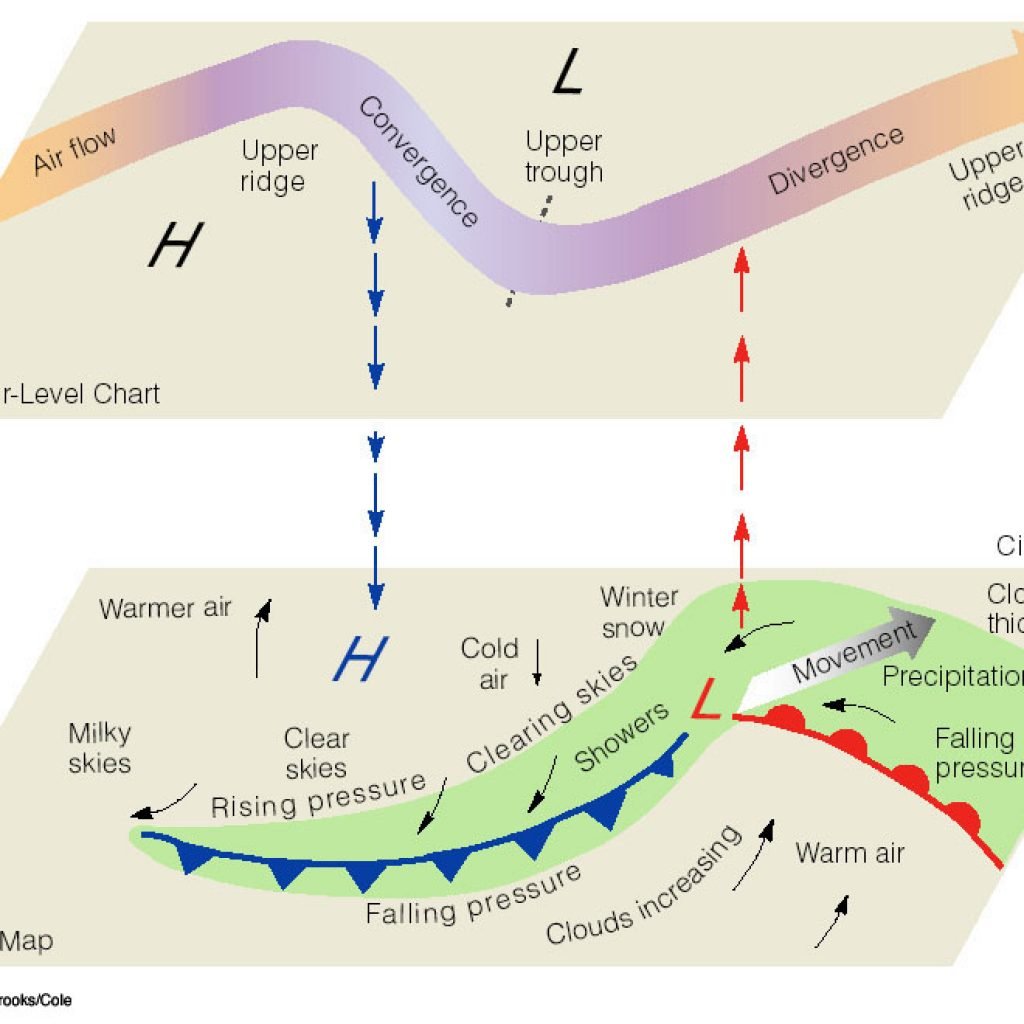
These are low pressure weather systems that occur in the middle latitudes of the earth, usually between 30° and 60° latitude north and south of the equator. They are sometimes called temperate cyclones, extra-tropical cyclones, mid-latitude cyclones, frontal depressions or wave cyclones.

The system is made up of a cold front and a warm front. The cold fronts reach South Africa mostly in winter when all the pressure belts and wind systems move slightly north. This is why the south-western Cape receives winter rainfall. The rain is brought by cold fronts passing over this area passing from east to west. The warm front is bent southwards away from South Africa.

Here are some key notes on mid-latitude cyclones for Grade 12:

  1. Formation:
    • Mid-latitude cyclones form along the polar front, where cold polar air meets warm subtropical air.
    • The temperature contrast between these air masses creates a frontal boundary, leading to the development of a low-pressure system.
  2. Structure:
    • Mid-latitude cyclones have a typical structure with warm and cold fronts.
    • The warm front is associated with the advancing warm air mass, and the cold front marks the boundary where cold air displaces warm air.
  3. Cyclogenesis:
    • Cyclogenesis is the process of cyclone formation.
    • It often involves the development of a wave along the polar front, leading to the formation of a low-pressure center.
  4. Life Cycle:
    • The life cycle of a mid-latitude cyclone includes the initial stage (cyclogenesis), mature stage, and occlusion stage.
    • The occlusion stage occurs when the cold front catches up with the warm front, leading to the lifting of warm air.
  5. Movement:
    • Mid-latitude cyclones move from west to east due to the westerlies, which prevail in the middle latitudes.
  6. Weather Associated:
    • Mid-latitude cyclones bring diverse weather conditions, including precipitation, cloud cover, and changing temperatures.
    • Intense storms and precipitation often occur along the frontal boundaries.
  7. Frontal Lifting:
    • The lifting of air at the front leads to the formation of clouds and precipitation.
    • Warm air rises over the cold air at the warm front, creating stratiform clouds and precipitation.
  8. Impacts:
    • Mid-latitude cyclones have a significant impact on weather patterns and can cause severe weather events, such as storms, heavy rain, and snowfall.
  9. Polar Front Theory:
    • The polar front theory, proposed by Norwegian meteorologist Vilhelm Bjerknes, explains the development and movement of mid-latitude cyclones.
  10. Influence on Climate:
    • Mid-latitude cyclones play a crucial role in redistributing heat and moisture, influencing the overall climate in the middle latitudes.

Covered on these notes

  • Stages of Development
  • Cold Front Conditions
  • Warm Front Conditions
  • Cold Front Occlusion
  • Warm Front Occlusion
  • Satellite Photo of Mid-Latitude Cyclone
  • Synoptic Map of Mid-Latitude Cyclone

Video Lesson Midlatitude Cyclones:

Mid Latitude Cyclones Visuals

Mid Latitude Cyclones Notes Grade 12

Mid Latitude Cyclones Grade 12 Question and Answers

Common Questions about Mid Latitude Cyclones

Give seven characteristics of mid latitude cyclone

  1. Move west to east
  2. It has cold front and warm front
  3. Affect south Africa in winter
  4. They occur in families or groups
  5. It has oval isobars
  6. Occur through out the year
  7. Occur between 30-60 degrees North and South
  8. Form between 40 – 60 degrees North and South

Give 4 stages of Mid latitude cyclone

1. Initial stage

  • Two air mashes do not mix because they separated by front.
  • A cell of low pressure begins

2 Mature stage

  • Air moves clockwise in southern hemisphere and anti clockwise in northern hemisphere.
  • Polar front forms cold and warm front -cold front lead to cold air, area of cold front called cold sector
  • Warm front lead to warm air , area of warm front lead to warm sector

3 Occluded stage or Occlusion stage

  • cold front overtakes warm front / warm front overtakes cold front.

4. Dissipating stage / decaying stage

System stars to slow down/ dissipate System become weak it ends.

Name conditions which are necessary for the formation of mid latitude cyclones

  • Warm ocean waters of at least 78°F (26°C)
  • At least 5° latitude from the equator;
  • Low vertical wind shear;
  • Moisture in the mid-troposphere;
  • Unstable Conditions ESS5